Usa Svg: A Designer's Review for Real Embroidery Projects
As a designer who has spent years turning digital concepts into tangible stitched goods, I approach every new asset with a critical eye. When I first opened the Usa Svg file to evaluate it for my upcoming collection of patriotic holiday items, I wasn't just looking at a shape; I was visualizing how that vector would translate through the needle and thread. The initial impression is one of bold simplicity. The clean lines and recognizable silhouette make it an instant favorite for those needing a strong graphic statement without getting lost in excessive detail. However, moving from a screen preview to a physical finished product requires a deeper understanding of how this specific design behaves under pressure.
From Digital File to Stitched Reality
The description notes that this is an instant download cutting file compatible with machines like Cricut and Silhouette. While that speaks volumes for vinyl and heat transfer applications, as an embroidery professional, I immediately started thinking about conversion. Can this Usa Svg hold up as a true machine embroidery design? The answer largely depends on how you manipulate the vector data before sending it to your machine. The sharp angles of the map outline are perfect for a dense fill stitch, but they can be tricky if the digitization isn't handled correctly. In my experience, converting a simple SVG directly to stitches without adjusting pull compensation can lead to puckering, especially on curved edges.
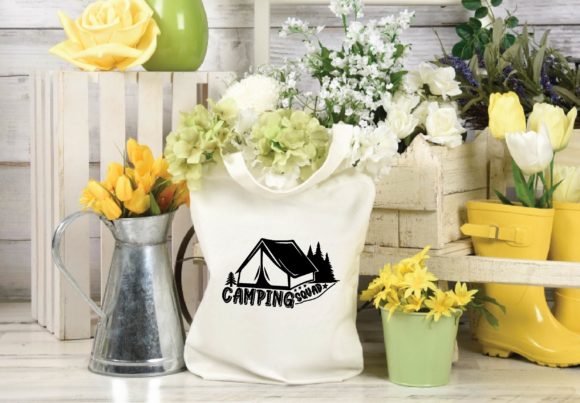
I recently tested a similar concept for a custom embroidered tote bag intended for a local craft fair. The goal was to create a durable, high-impact accessory that felt premium. When I applied the logic of the Usa Svg layout to the tote bag canvas, the large surface area allowed the design to breathe. The visual personality of the map is confident and straightforward, making it ideal for custom apparel where the logo needs to stand out from a distance. For a small shop product like a canvas bag, the clarity of the design ensures that even with standard thread colors, the image remains distinct and recognizable.
Real-World Application: Sweatshirts and Baby Items
One of the most versatile aspects of this Graphics category item is its adaptability across different demographics. The product description mentions uses for men, women, kids, and babies. In my own studio, I have found that scaling this design down for baby embroidery requires careful attention to stitch density. On a tiny onesie or a soft cotton hat, a heavy fill stitch might overwhelm the delicate fabric texture. Instead, I often opt for a lighter satin stitch border around the outline of the USA shape, leaving the interior open or using a very sparse fill. This technique preserves the integrity of the fabric while still delivering the patriotic message.
Conversely, when working on heavier materials like a fleece sweatshirt, the Usa Svg shines. The thickness of the material allows for a more robust stabilizer setup, which supports a denser stitch count. I recall preparing a batch of sweatshirts for a client's boutique branding project. We used the design as a chest pocket placement. The contrast between the dark grey fleece and the bright red, white, and blue threads created a striking visual appeal that significantly boosted customer trust in the quality of the handmade product. The design didn't look cheap or pixelated; it looked intentional and professional.
Navigating Fabric Challenges and Hoop Sizes
While the design is versatile, there are specific scenarios where caution is required. If you plan to use this for an embroidered patch on a textured fabric like denim or canvas, you must ensure your hoop size accommodates the tension properly. Textured fabrics can cause the needle to deflect slightly, potentially blurring the crisp edges of the map. Always test the design on scrap fabric first. I cannot stress this enough. Run a test stitch on the actual fabric you intend to sell, checking how the stitch density interacts with the weave.
Furthermore, be wary of using this design on stretchy fabrics like jersey knit without a cutaway stabilizer. The pulling force of the embroidery hoop combined with the elasticity of the fabric can distort the straight lines of the Usa Svg, making the states look warped once the garment is removed from the hoop. For items like caps or hats, which feature curved surfaces, the flat nature of the SVG vector means you will need a specialized cap frame and likely a simplified version of the design to prevent registration issues.
Strategic Value for Craft Business Owners
For the Etsy seller or creative entrepreneur, the value of this design lies in its recognizability. In a crowded marketplace, customers often scan listings for clear, thematic imagery. A well-executed holiday embroidery project featuring this map can drive engagement because it taps into a universal sentiment. However, to truly elevate your brand consistency, consider how the design fits into your broader portfolio. Does it match the aesthetic of your other design assets? If your shop focuses on rustic, vintage vibes, a modern, flat-color Usa Svg might feel out of place unless you add distressed effects or layer it with other elements.
When creating printable mockups for your online store, ensure the lighting and angle accurately represent how the stitching will look in person. Overly saturated photos can mislead buyers about the final finished product. Show the design on a dark background and a light background to demonstrate versatility. This transparency builds buyer engagement and reduces return rates. Additionally, always confirm licensing terms before selling finished items or digital products. Just because a file is available for download doesn't mean you have commercial rights to resell the design itself or the items made from it without restrictions.
Final Thoughts on Execution
In conclusion, the Usa Svg is a powerful tool for any crafter willing to put in the technical work to translate it effectively. It is not merely a digital embroidery file to be downloaded and stitched blindly. It requires a thoughtful approach to digitization, stabilizer selection, and fabric choice. Whether you are creating a personalized gift for a birthday girl or producing a line of commercial merchandise, the success of the project hinges on these details.
Take the time to review the stitch paths, check your thread color contrast against the fabric, and inspect the small details for any gaps. By treating this Crafts asset with the respect it deserves, you can transform a simple vector into a high-quality, market-ready piece that stands the test of time and frequent washing. As designers, our job is to bridge the gap between the digital and the tactile, and with the right execution, this design offers a fantastic canvas for that creativity.