Find a Cure: A Designer's Real-World Embroidery Review
As someone who has spent years stitching everything from delicate baby onesies to heavy-duty denim jackets, I approach every new machine embroidery design with a critical eye. When I first loaded the Find a Cure file into my workspace, I wasn't just looking at a graphic; I was visualizing the final product on a rack in a boutique or wrapped as a heartfelt gift. This specific design falls squarely into the realm of meaningful Crafts and impactful Graphics, but its true value lies in how it translates from a digital screen to physical thread.
The First Impression: Mood and Visual Weight
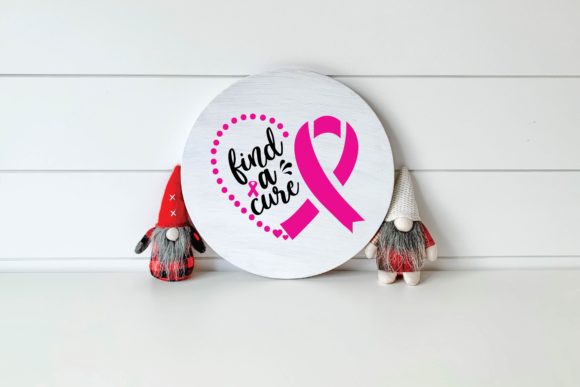
The moment you open the embroidery file for Find a Cure, the intent is clear. It carries a weight that goes beyond simple decoration. The layout suggests a bold statement, likely utilizing strong lines and perhaps a ribbon motif that anchors the text. In my experience, designs centered on health awareness need to strike a delicate balance between being visible enough to make an impact and refined enough to look professional on apparel. Find a Cure achieves this by offering a clean silhouette that avoids excessive clutter.
However, the transition from a flat digital embroidery file to a stitched reality requires careful planning. The visual personality here is serious yet hopeful. If I were using this for a custom apparel line, I would immediately think about how the negative space interacts with the fabric texture. Does the design breathe? Can the fill stitch areas hold up without becoming too dense? These are the questions that separate a hobbyist project from a high-quality finished product.
Real-Life Application: From Hoop to Home
Let's talk about a real scenario. Imagine I am preparing a batch of custom embroidered tote bags for a local charity event. The goal is to create a tote bag design that feels premium, not like a rushed craft fair item. Find a Cure fits perfectly here. The shape of the text and any accompanying graphics are robust enough to stand out against the natural weave of canvas.
I can also see this working beautifully on a sweatshirt embroidery project. For small business owners targeting the holiday season, a cozy fleece hoodie featuring this design becomes an instant conversation starter. The key is placement. On a sweatshirt, centering the design on the chest allows the stitch density to sit flat without distorting the knit. If I were making a personalized gift for a family member battling an illness, placing Find a Cure on a soft flannel blanket or a nursery pillow cover adds a layer of emotional resonance that mass-produced items simply cannot match.
For the Etsy seller or small shop product creator, versatility is currency. This design works well as an embroidered patch that can be sewn onto caps, backpacks, or aprons. The ability to detach and reattach the patch extends the life of the garment, which is a selling point for eco-conscious buyers. Whether it is a baby embroidery item for a hospital fundraiser or a holiday embroidery piece for a winter gala, the adaptability of Find a Cure makes it a staple asset for any creative entrepreneur.
Navigating Technical Challenges and Fabric Choices
While the design is promising, experienced designers know that no machine embroidery design is foolproof. There are specific situations where Find a Cure requires extra attention. If you are working with thin fabric or highly stretchy materials like jersey, the risk of puckering increases significantly. The tension required for the text might pull the fabric if you do not use the correct stabilizer. I always recommend testing the design on scrap fabric first, especially when dealing with dark fabrics where the contrast of the thread colors needs to pop without bleeding through.
Curved surfaces present another challenge. Attempting to embroider this design on a standard baseball cap requires precise registration. If the hoop size is not appropriate, the text could warp, ruining the legibility of the message. Similarly, if the design includes fine details or tiny lettering within the ribbon or text elements, pushing the hoop size too small will result in tangled threads and missed stitches. Always inspect the running stitch outlines to ensure they are thick enough to define the edges clearly.
Texture matters immensely. On a rough, nubby fabric like burlap or a thick wool blend, the fill stitch might not lay as smoothly as it does on cotton twill. You may need to adjust the stitch density settings in your software to compensate for the uneven surface. Additionally, products that undergo frequent washing, such as kitchen towels or everyday tees, demand a secure lock stitch. If the design relies heavily on satin stitch for the text, ensure the stitches are tight enough to resist fraying over time.
Maximizing Value and Professional Presentation
Using Find a Cure effectively can elevate the perceived value of your handmade product. Customers today are discerning; they can tell the difference between a sloppy digitization and a well-thought-out commercial embroidery project. When the stitching is crisp and the alignment is perfect, it builds customer trust and reinforces your brand consistency.
Before committing to a full run, create a printable mockup to visualize the design on different backgrounds. Compare how the thread colors look against light versus dark fabric options. A design that looks great in black and white might lose impact if the color palette clashes with the garment. This step is crucial for design assets that you intend to sell or feature in your portfolio.
Furthermore, consider the licensing terms carefully. As a craft business owner, you must confirm whether you can sell finished items made with this graphics file. Some licenses allow for limited commercial use, while others restrict sales to personal projects only. Never assume; always verify the rights before listing your personalized gift or boutique branding merchandise online. Selling a product with unclear licensing can damage your reputation and lead to legal issues.
Final Thoughts for the Creative Entrepreneur
In conclusion, Find a Cure is more than just a cute SVG or cutting file; it is a powerful tool for storytelling through thread. Its potential shines brightest when paired with thoughtful execution. By paying attention to fabric texture, stabilizer choice, and stitch quality, you can transform this embroidery project into a meaningful piece of art that resonates with buyers.
Whether you are a seasoned decorator or a hobbyist starting your first small shop product line, take the time to test, refine, and present this design with care. The right combination of technique and heart turns a simple digital product into a tangible symbol of hope. When done right, Find a Cure doesn't just sit on a shirt; it speaks to the wearer and everyone who sees it, proving that even in the world of Crafts, the smallest stitches can carry the biggest messages.