Oh No You Didn't Svg: A Designer's Review
As a designer who has spent years translating digital files into tangible thread and fabric, I approach every new asset with a critical eye. When I first opened the Oh No You Didn t Svg file, my initial reaction was one of amusement mixed with professional curiosity. This is not just another generic phrase; it carries a specific cultural weight that translates well into visual design. The mood is playful, slightly sassy, and universally understood, making it an attractive candidate for a wide range of custom apparel projects. However, as we move from the screen to the sewing machine, the real work begins. Does this Graphics file hold up under the scrutiny of actual stitching?
The First Impression: Visual Weight and Layout
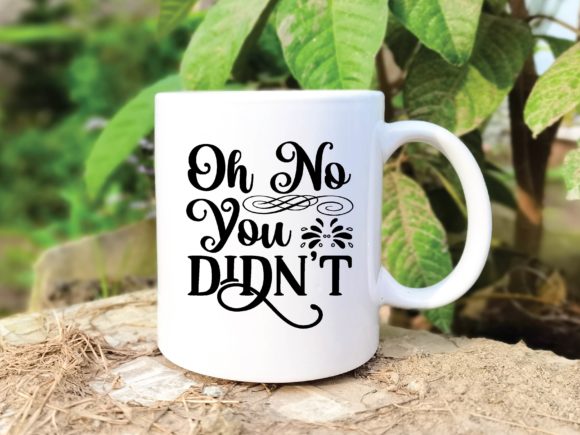
Visually, the Oh No You Didn t Svg design relies on bold typography to convey its message. In the context of Crafts, the layout appears balanced, but the true test lies in how the letterforms interact with different stitch types. When I mentally map this out for a machine embroidery design, I see potential for a mix of satin stitch for the outlines and fill stitch for the body of the letters. The shape of the text suggests a need for careful attention to the corners and curves, which are often the weak points in digitization.
The personality of the design screams "statement piece." It is not a subtle motif meant to be hidden in a corner; it demands center stage. This makes it an excellent choice for items where the wearer wants to project attitude. Whether you are creating a handmade product for your own boutique or fulfilling a client order, the visual impact is immediate. The design feels modern and relevant, fitting perfectly into current trends for humorous and relatable gifts.
A Real-World Scenario: The Custom Sweatshirt Project
To truly evaluate the utility of Oh No You Didn t Svg, let's walk through a realistic scenario. Imagine a client requests a custom sweatshirt for their teenage daughter. They want something trendy but durable enough for school wear. I decide to use this design on a heavy cotton fleece hoodie. The challenge here is the fabric texture and the stretch of the material.
Before committing to the final garment, I always create a printable mockup to visualize the scale. On the chest of a standard adult sweatshirt, the text needs to be large enough to be legible but not so large that it overwhelms the silhouette. When I load the embroidery file into my software, I notice that the density of the fill stitch will be crucial. If the density is too high, the thick fleece might pucker, ruining the look of the finished product. If it is too low, the text will look thin and cheap.
In this specific case, I would likely opt for a medium-weight tear-away stabilizer placed underneath the fabric to provide a firm foundation. The thread colors would need to contrast sharply against the dark grey of the sweatshirt. A bright neon pink or electric blue pop against the background, ensuring the message is clear. The result? A high-quality sweatshirt embroidery piece that feels premium and looks professionally executed. Customers love this kind of personalized touch because it transforms a basic garment into a unique fashion statement.
Navigating Fabric Challenges and Stitching Nuances
While the design works beautifully on stable fabrics like denim or canvas, there are scenarios where Oh No You Didn t Svg requires extra caution. For instance, applying this to a cap or a curved surface introduces complexity. The curvature can distort the straight lines of the text if the hoop tension isn't perfect. Similarly, using this on thin fabric like a silk blouse or a light summer tee risks show-through and puckering.
I also advise against using this design on highly textured fabrics without testing first. The bumps in a waffle knit or a boucle weave can interfere with the needle path, leading to skipped stitches or uneven fill stitch coverage. If you are planning to use this for baby embroidery on a soft onesie, ensure the backside is heavily stabilized to prevent the design from pulling on the delicate fibers when the baby moves.
Another critical area is small hoop sizes. While the design is versatile, shrinking it down to fit a 4x4 inch hoop might compromise the legibility of the smaller characters in the phrase. Tiny lettering in embroidery often loses definition due to thread thickness. If you must use a small hoop, consider simplifying the font style or increasing the line weight during the digitization process to maintain clarity.
Strategic Use for Craft Businesses and Etsy Sellers
For the Etsy seller or small shop owner, Oh No You Didn t Svg offers significant commercial potential. It is the type of design that performs well as a personalized gift or a limited-run holiday embroidery item. Think about holiday parties, bachelorette weekends, or graduation gifts. The phrase resonates across age groups, from kids to adults, making it a safe bet for inventory.
However, as a business owner, you must consider brand consistency. Does this playful design align with your shop's aesthetic? If your brand is strictly minimalist or formal, this might clash. But for shops focusing on fun, quirky, or youth-oriented products, it is a goldmine. It adds value to your design assets library by providing a ready-made solution for quick-turnaround orders.
When listing these items online, high-quality photos are non-negotiable. Show the stitch density up close. Highlight how the running stitch details define the edges. Buyers need to see that the embroidery is crisp and clean to trust the quality of your commercial embroidery services. A poorly stitched version of this popular phrase could damage your reputation, while a flawless one builds customer loyalty.
Practical Designer Notes Before You Stitch
Before you commit to selling or gifting a project featuring Oh No You Didn t Svg, follow these essential steps to ensure success:
- Test on Scrap Fabric: Never skip the test run. Stitch the design on a scrap piece of the exact fabric you plan to use. Check for puckering, thread breaks, and alignment issues.
- Check Licensing: Since this is an instant download cutting file compatible with machines like Cricut and Silhouette, verify the license terms. Ensure you have the right to sell finished goods if you are running a craft business.
- Review Thread Contrast: Test the design in black and white mockups first, then compare light and dark fabric backgrounds to select the best thread colors.
- Inspect Small Details: Zoom in on the digitized file to check the corners and tight turns. These areas often require manual adjustment to prevent thread bunching.
- Confirm Hoop Size: Ensure the design fits comfortably within your hoop with room for the clamps. Do not force a design into a hoop that is too small.
- Use Proper Stabilizer: Match the stabilizer weight to the fabric weight. Heavy fabrics need cut-away stabilizers, while lighter ones may only need tear-away.
Ultimately, Oh No You Didn t Svg is a versatile and engaging design that, when handled with care, can elevate your embroidery project from simple to standout. It bridges the gap between digital creativity and physical craftsmanship, offering endless possibilities for those willing to put in the technical effort. Whether you are decorating a tote bag design, creating an embroidered patch, or personalizing a kitchen towel, the key lies in preparation and precision. By respecting the nuances of the craft, you ensure that the final result is as witty and polished as the phrase itself.