Get Lost Find Yourself Svg: A Designer's Review
As a designer who spends countless hours translating digital concepts into tangible stitched reality, I approach every new Get Lost Find Yourself Svg file with a critical eye. The phrase itself carries a weight of wanderlust and introspection that resonates deeply with the current craft market. However, moving from a flat Graphics file to a textured, three-dimensional machine embroidery design requires more than just downloading and stitching. It demands an understanding of how the visual language translates through thread.
When I first opened the Get Lost Find Yourself Svg file in my workspace, the immediate impression was one of organic flow. The typography appears hand-lettered, suggesting a casual, approachable vibe rather than rigid corporate branding. This makes it an excellent candidate for custom apparel, particularly items meant to evoke a sense of adventure or personal growth. For an Etsy seller or small shop owner looking to expand their Crafts catalog, this design offers a versatile aesthetic that bridges the gap between modern minimalism and rustic charm.
Translating Digital Lines to Stitched Reality
The transition from an SVG cutting file to an embroidery file is where the real work begins. While the source file is designed for machines like Cricut or Silhouette, adapting Get Lost Find Yourself Svg for needlework requires careful consideration of line weight and curve radius. In my experience, designs with tight corners or extremely thin serifs can become problematic when converted to fill stitch or satin stitch.
For this specific design, the lettering seems robust enough to handle standard digitization without losing its character. If you are planning to use this for sweatshirt embroidery, the slightly rounded edges of the letters will likely hold up well against the bulk of fleece fabric. However, if you intend to create a delicate embroidered patch for a denim jacket, you must ensure the digitizer does not over-saturate the lines. High stitch density in narrow areas can cause puckering, which ruins the soft, inviting feel of the message.
A Real-World Project Scenario: The Custom Tote Bag
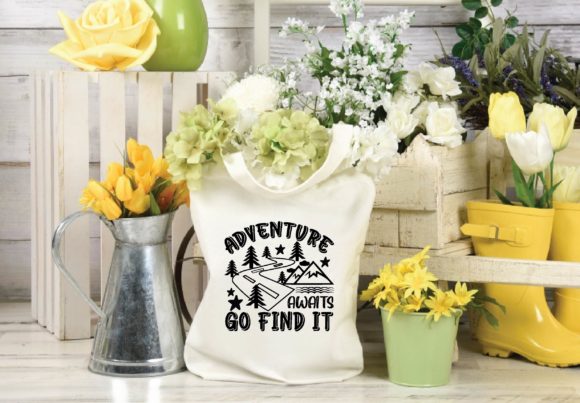
To truly test the viability of Get Lost Find Yourself Svg, I visualized a recent project: creating a series of canvas tote bags for a local boutique. The goal was to produce a handmade product that felt premium yet accessible. I imagined placing the design on the lower right corner of a natural beige tote bag using a contrasting navy blue thread.
In this scenario, the open space around the text allows the design to breathe. Unlike a crowded layout, the negative space here emphasizes the message. When stitched onto a sturdy canvas, the texture of the fabric interacts beautifully with the thread, adding depth that a printed graphic simply cannot achieve. Customers often gravitate toward these personalized gifts because they feel unique and tactile. The durability of the embroidery ensures that the bag survives frequent washing, a crucial factor for a functional item like a tote.
However, had I attempted this same design on a thin cotton tee, the result might have been different. Without proper backing, the tension required for the running stitch outlines could distort the fabric. This highlights why understanding your substrate is just as important as selecting the right design.
Navigating Fabric Challenges and Hoop Constraints
One of the most common pitfalls for craft business owners is underestimating the impact of fabric texture. Get Lost Find Yourself Svg works exceptionally well on smooth surfaces like linen or heavy cotton twill. But if you are working with textured fabrics like chenille or thick wool, the intricate details of the lettering might get lost in the weave.
I always recommend testing the design on scrap fabric first. This simple step reveals whether the hoop size is appropriate for your machine and the garment. For a phrase of this length, you will likely need a medium to large hoop. Attempting to fit the entire phrase into a 4x4 inch hoop might force you to reduce the font size too drastically, leading to illegible stitching.
Furthermore, consider the placement on curved surfaces. If you decide to adapt this design for a cap or hat, the curvature of the brim can stretch the bottom letters while compressing the top ones. In such cases, breaking the design into two parts or adjusting the arc during digitization is essential to maintain visual balance.
Color Theory and Visual Impact
The choice of thread colors plays a pivotal role in the final presentation. For a baby embroidery project, such as a onesie or a nursery pillow cover, soft pastels would complement the gentle sentiment of the phrase. Conversely, for a rugged holiday embroidery piece on a flannel shirt, bold earth tones or deep greens would enhance the adventurous theme.
Contrast is key. Placing a light-colored design on a dark background requires a dense fill stitch underneath to prevent the fabric color from showing through. This adds bulk, so be mindful of the stabilizer you choose. A tear-away stabilizer works well for stable fabrics, but a cut-away is necessary for stretchy materials to prevent the stitches from distorting when the garment moves.
Commercial Viability and Brand Consistency
For those selling finished goods, Get Lost Find Yourself Svg offers strong potential for brand consistency. The universal appeal of the message allows it to fit into various niches, from yoga studios to travel agencies. As a small shop product, it can serve as a signature item that customers recognize immediately.
However, before listing these items, verify the licensing terms. Many digital product sellers offer files for personal use only, meaning you cannot sell the finished embroidered items without a commercial license. Always confirm whether the file permits commercial embroidery applications. Using a design without the proper rights can lead to legal issues and damage your reputation as a professional maker.
Additionally, consider how the design appears in printable mockups. Before investing time in stitching, create a digital preview to see how the design looks on different products. This helps in marketing and setting customer expectations. A high-quality mockup builds trust and showcases the professionalism of your design assets.
Final Thoughts for the Maker
Ultimately, Get Lost Find Yourself Svg is a versatile tool in the hands of a skilled designer. Its success lies not just in the aesthetics of the lettering, but in how thoughtfully it is applied to the final product. Whether you are creating a kitchen towel for a housewarming gift or a blanket for a newborn, the care you take in preparation—checking the stitch density, selecting the right stabilizer, and testing on scraps—will define the quality of your work.
This design invites you to slow down and appreciate the process of creation, much like the message it conveys. By treating it with the respect it deserves, you can transform a simple digital file into a cherished, long-lasting piece of art. For any creative entrepreneur ready to elevate their offerings, this is a design worth exploring, provided you approach it with practical judgment and technical precision.