I Can Do Hard Things: A Designer's Embroidery Review
As a designer who has spent years turning digital concepts into tangible, stitched reality, I approach every new file with a mix of excitement and skepticism. The market is flooded with Graphics that look perfect on a screen but fall apart under the needle. When I first opened the file for I Can Do Hard Things, my immediate goal was to determine if this design could survive the transition from a crisp SVG to a textured piece of custom apparel. This isn't just about whether the lines are clean; it is about how the message lands when it is physically stitched onto fabric.
The First Impression: Mood and Visual Weight
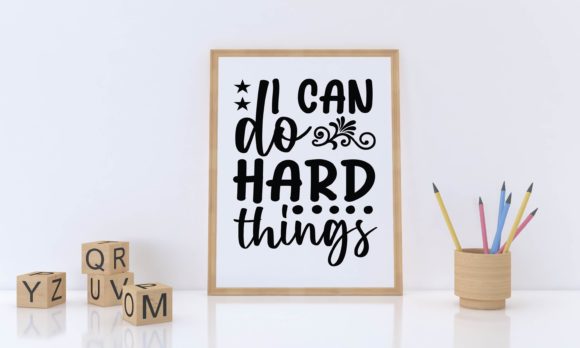
The phrase "I Can Do Hard Things" carries an inherent weight. It is a statement of resilience, often associated with recovery, personal growth, or simply getting through a tough week. Visually, the design needs to reflect that strength without feeling aggressive. Upon reviewing the layout, the typography strikes a balance between boldness and approachability. For an embroidery project, this is crucial. If the lettering is too thin, it risks breaking up during stitching. If it is too dense, it can pucker the fabric. The current structure of I Can Do Hard Things suggests a solid foundation for both satin and fill stitches, which is exactly what I look for in a high-quality machine embroidery design.
In the context of Crafts, the visual personality of this design screams "everyday empowerment." It does not feel like a fleeting trend but rather a staple piece that belongs in a collection of motivational goods. Whether you are planning a small shop product line or creating a one-off personalized gift, the clarity of the text ensures that the message remains legible even from a distance. This legibility is the first step toward building customer trust and ensuring your finished product looks professional.
A Real-World Scenario: The Custom Sweatshirt Project
To truly test the viability of this design, let us imagine a specific use case. Picture a client ordering a heavy-weight heather grey sweatshirt for their daughter, who is navigating a challenging semester at university. They want the design placed on the left chest pocket area. This is a common request for custom apparel, but it presents specific challenges. The fabric is thick, the area is curved, and the thread colors need to pop against the grey background.
When I visualize I Can Do Hard Things on this sweatshirt, the design holds up well. The spacing between the letters allows for adequate stitch density without creating a hard, plastic-like patch on the fabric. If the design were too intricate, the threads might sink into the knit of the sweatshirt, making the text hard to read. However, the bold nature of this embroidery file suggests it will sit proudly on the surface. Using a contrasting white or bright yellow thread color would maximize visibility, while a tonal dark grey thread would offer a more subtle, sophisticated look suitable for a boutique brand.
This scenario highlights why practical design judgment matters. An Etsy seller or small business owner needs to know that the design will not distort when stretched over the curve of a shoulder or pocket. In this instance, I Can Do Hard Things feels robust enough to handle the stress of daily wear and washing, which is a primary concern for anyone selling handmade products.
Navigating Fabric and Hoop Constraints
While the design shows promise, there are areas where caution is required. Not all fabrics are created equal, and not all hoop sizes work for every project. For delicate items like baby clothes or lightweight tea towels, the stitch density of I Can Do Hard Things must be carefully managed. If the fill stitch is too heavy, it could overwhelm a thin cotton jersey, causing the fabric to ripple or tear at the edges.
I always recommend testing the design on scrap fabric first. This is non-negotiable for any serious embroidery project. You need to see how the stabilizer interacts with the design. For a tote bag design, a cutaway stabilizer might be necessary to support the weight of the stitches, whereas a water-soluble stabilizer might suffice for a pillow cover. Additionally, consider the hoop size. If you are attempting to fit this design into a very small hoop for a cap or a tiny patch, you risk losing the integrity of the lettering. The corners of the letters need room to turn cleanly; otherwise, they may appear jagged or incomplete.
Another critical factor is the fabric texture. On highly textured materials like terry cloth or boucle, the running stitch details might get lost in the weave. In these cases, relying on a strong outline or a denser fill stitch becomes essential to ensure the text remains readable. If you are working with dark fabrics, using a backing that prevents show-through is vital. The contrast between the thread and the fabric defines the quality of the finished product, so never underestimate the power of a good stabilizer choice.
Commercial Viability and Brand Consistency
For those looking to integrate I Can Do Hard Things into a commercial embroidery workflow, the design offers significant potential. It fits seamlessly into categories like holiday gifts, wedding favors, or corporate morale boosters. The versatility of the phrase means it appeals to men, women, kids, and babies, expanding your target market significantly. As a digital product seller, having a design that works across such a broad demographic increases the value of your asset library.
However, before listing this as a commercial embroidery item, you must confirm the licensing terms. Just because a file is compatible with Cricut or Silhouette cutting software does not automatically grant commercial rights for embroidered goods. Always check the license to ensure you can sell the physical items or the digital file itself. Creating printable mockups is a great way to showcase the design in various contexts, helping potential buyers visualize the final result. These mockups serve as a bridge between the digital concept and the physical reality, boosting buyer engagement.
Practical Notes for the Designer
- Test Stitching: Always run a test on a similar fabric to check for puckering or thread breaks.
- Color Contrast: Experiment with different thread palettes to see which combination offers the best readability.
- Stabilizer Choice: Match the stabilizer type to the fabric weight to ensure the design lays flat.
- Licensing Check: Verify that you have the right to sell finished goods made with this specific graphic.
- Mockup Strategy: Use high-quality photos or realistic digital mockups to present the design in real-world settings.
Ultimately, I Can Do Hard Things is more than just a string of words; it is a tool for expression. When executed correctly, it transforms a simple garment into a meaningful statement. By paying attention to the details of stitch density, fabric compatibility, and proper stabilization, you can ensure that your projects stand out in a crowded marketplace. Whether you are a hobbyist making a heartfelt gift or a craft business owner scaling your inventory, this design offers a solid foundation for creativity and connection.