I Think I’ll Just Happy Today Embroidery Review
As a designer who spends more time staring at stitch simulations than actual daylight, I approach every new machine embroidery design with a mix of curiosity and skepticism. When I first pulled up the file for I Think I’ll Just Happy Today, my initial reaction was to appreciate its simplicity. In a market saturated with intricate, high-stitch-count illustrations that can take hours to run on a machine, this Graphics asset stands out for its clarity. It is a bold statement piece that relies on typography rather than complex imagery to convey its message. For anyone running a craft business or looking to add a touch of positivity to their handmade product line, understanding how this specific design translates from a digital file to a physical thread application is crucial.
The First Impression: Mood and Visual Weight
The phrase "I Think I’ll Just Happy Today" carries an immediate emotional weight. It feels less like a command and more like a gentle permission slip to enjoy the moment. Visually, the layout suggests a relaxed, perhaps slightly hand-lettered aesthetic. This is vital when considering where to place it. Unlike rigid, blocky fonts that scream corporate uniformity, this design feels organic. When I visualize it as an embroidered patch or a chest logo on a sweatshirt embroidery project, the vibe shifts instantly from generic to boutique-quality. The visual personality is warm and inviting, making it an excellent candidate for personalized gift items where sentiment matters more than technical complexity.
However, simplicity in a digital embroidery file does not always mean ease of execution. The challenge with text-heavy designs is maintaining legibility while ensuring the stitch density is balanced. If the letters are too thin, they might disappear into the fabric texture. If they are too thick, they could pucker the material. My experience tells me that this design works best when the lettering has enough body to support a solid fill stitch without becoming a heavy lump of thread.
Real-World Application: From File to Fabric
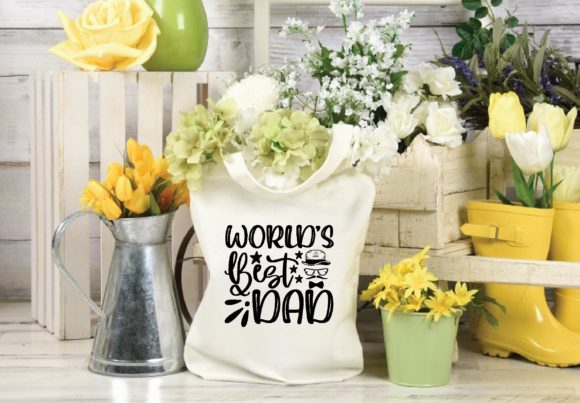
Let’s talk about a real scenario. Imagine you are preparing a custom order for a client who wants a set of tote bag design pieces for a local yoga studio. They want something uplifting but professional. You load I Think I’ll Just Happy Today into your software. Because the design is clean, it scales relatively well, which is a massive advantage. You aren't fighting against tiny details that get lost in translation.
If you were to use this on a canvas tote, the sturdy nature of the fabric would hold the running stitch outlines beautifully. The design would likely look crisp against the natural beige or off-white of the canvas. Now, shift that same design to a baby embroidery project, perhaps a onesie or a soft blanket. Here, the mood fits perfectly. Parents love positive affirmations for their children. However, the fabric choice becomes critical. On a stretchy knit, you must ensure you are using the correct stabilizer. Without adequate backing, the tension from the needle could distort the text, making "Happy" look warped. The design itself is forgiving, but the execution requires care.
For an Etsy seller or a small shop owner, this type of commercial embroidery asset is gold because it appeals to a broad demographic. It isn't gender-specific; the description notes it is possible to use for men and women alike. This versatility allows you to create a cohesive collection. You could have a line of custom apparel ranging from unisex hoodies to kitchen aprons, all tied together by this consistent, cheerful motif. The finished product communicates a brand identity that is approachable and mindful.
Navigating Technical Challenges
Despite its apparent simplicity, there are areas where I Think I’ll Just Happy Today requires careful handling. Text-based designs are notoriously tricky on curved surfaces. If you attempt to embroider this on a cap, the curve of the brim can cause the straight lines of the text to bow or buckle. Unless the design includes a specific arc adjustment, it is safer to stick to flat surfaces like pillow covers, tea towels, or the front panel of a sweatshirt.
Fabric texture is another variable. On a highly textured fabric like a chunky cable-knit sweater or a rough burlap, the fine details of the lettering might get swallowed. The thread needs to sit on top of the weave, not sink into it. In these cases, using a tear-away stabilizer might not be enough; a cut-away or even a water-soluble topping might be necessary to keep the stitches visible. Always remember to test the design on scrap fabric first. A quick run on a swatch will tell you if the thread colors provide enough contrast against your chosen background.
Another consideration is the hoop size. While the design looks compact, the spacing between words and the need for proper trimming of jump stitches means you cannot just cram it into the smallest hoop available. Check your machine's capabilities and the file specifications before committing to a project. If the design is intended for a large garment, ensure your hoop can accommodate the full width without distorting the shape.
Design Notes for Professional Results
To get the most out of this embroidery project, I recommend a few practical steps. First, review the stitch count. Even though it is a simple phrase, if the fill stitch is dense, it could make the fabric stiff. You may need to adjust the density settings in your digitizing software to allow the fabric to breathe. Second, consider the color palette. While black or white thread is classic, using a pastel shade for a holiday embroidery item or a seasonal accent color can elevate the perceived value of the small shop product.
Also, think about the context of the sale. If you are selling the physical item, ensure the stitching quality is flawless. One loose thread or a skipped stitch in the word "Happy" can ruin the sentiment. If you are selling the digital product itself, make sure your mockups accurately represent how the design looks on different fabrics. Show it on dark denim, light cotton, and fleece so buyers know exactly what they are getting. This builds customer trust and reduces returns.
Finally, verify the licensing. As with any design assets, you need to confirm whether you can sell finished goods made with this file. Some licenses restrict commercial use, while others grant full rights. Never assume; always read the terms provided with the download. Once you have cleared that hurdle, I Think I’ll Just Happy Today is a fantastic addition to your portfolio. It offers a straightforward way to create meaningful, high-quality items that resonate with people looking for a little extra joy in their daily lives.
In the world of Crafts, sometimes the simplest messages make the biggest impact. This design proves that you don't need thousands of stitches to create something beautiful. With the right fabric, stabilizer, and attention to detail, it transforms a simple phrase into a tangible reminder to embrace happiness. Whether you are a hobbyist making gifts for friends or a professional decorator fulfilling bulk orders, this design holds up under scrutiny and delivers a result that customers will love to wear and display.