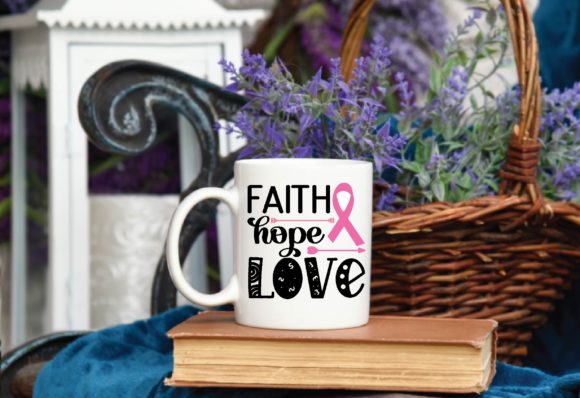
Faith Hope Love: A Designer's Real-World Review
As a designer who has spent years turning digital files into tangible, stitched memories, I approach every new machine embroidery design with a mix of excitement and skepticism. The market is flooded with generic graphics, but occasionally, a file arrives that feels like it was made for the hands of a maker. Today, I am putting Faith Hope Love through its paces. This isn't just about whether the lines are straight; it is about how this embroidery project translates from a screen to a finished product that customers will actually want to wear or display.
First Impressions: Mood and Visual Weight
When I first opened the digital embroidery file for Faith Hope Love, the immediate takeaway was clarity. In the world of Graphics, simplicity often wins, especially when you are dealing with text-based motifs. The layout strikes a balance between the sentimental weight of the words and the visual lightness needed for apparel. It does not feel cluttered. For an Etsy seller or a boutique owner looking for design assets that convey warmth without overwhelming the garment, this design hits the mark.
The mood is inherently uplifting. Whether you are planning a holiday embroidery piece or a year-round staple for your shop, the message is universal. However, as a professional, my eye immediately goes to the kerning and the spacing between the letters. In embroidery, tight spacing can lead to thread bunching, while too much space can make the design look disconnected. From what I can see in the preview, the proportions suggest a clean execution, provided the stitch density is managed correctly during digitization or conversion.
Testing the Waters: A Real Project Scenario
To truly understand the potential of Faith Hope Love, I imagined a specific scenario: creating a custom embroidered tote bag for a local church craft fair. Tote bags are a staple for any craft business, but they present unique challenges due to the fabric texture and the way the material moves. If I were using this design on a heavy canvas tote, the boldness of the text would likely stand out beautifully against the natural weave.
I also considered a sweatshirt embroidery application. Placing Faith Hope Love on the left chest of a heather grey sweatshirt creates a classic, personalized look. The softness of the cotton fleece contrasts well with the precision of a fill stitch. In this context, the design elevates a basic garment into a personalized gift that feels premium. Customers buying these items aren't just purchasing a shirt; they are buying a sentiment. The design supports that emotional connection by remaining legible and stylish even from a distance.
For parents, this file offers excellent potential for baby embroidery. Imagine a onesie or a receiving blanket where the words are stitched in soft pastels. The gentle nature of the phrase fits perfectly with nursery decor. However, here is where caution is required. Baby clothes are washed frequently and stretched constantly. The durability of the stitching becomes paramount. If the stitch density is too high, the fabric might pucker or become stiff, which is uncomfortable for an infant. Conversely, if it is too low, the design may unravel after a few washes.
Navigating Fabric Challenges and Technical Nuances
While the concept of Faith Hope Love is strong, the execution depends heavily on the substrate. I advise fellow designers to be wary when applying this to textured fabrics like denim or thick wool. The needle must penetrate multiple layers, and if the design relies on fine details, those details can get lost in the fabric grain. Similarly, on stretchy fabrics like jersey knit, the stability of the hoop is critical. Without the right stabilizer, the design could warp as the fabric stretches during the stitching process.
Another area requiring careful attention is dark fabric. While the description mentions compatibility with various machines, it does not specify thread color recommendations. On black or navy garments, a standard white running stitch outline might not provide enough contrast for the inner fill. You may need to layer colors or use a backing technique to ensure the text pops. Testing a printable mockup in black and white before committing to actual thread is a non-negotiable step in my workflow. It helps visualize the contrast and ensures the message remains readable regardless of the background.
Curved surfaces, such as caps or hats, also demand respect. Faith Hope Love is a linear design, and forcing it onto a curved brim can distort the letter shapes. If you choose to embroider this on a cap, ensure the digitizing accounts for the curve, or consider using an embroidered patch instead. Patches offer more flexibility and allow you to control the finish quality separately from the garment itself.
Commercial Viability and Business Strategy
For the small shop product creator or the independent Etsy seller, the commercial viability of a design is just as important as its aesthetic appeal. Faith Hope Love has broad appeal across demographics—men, women, kids, and babies—as noted in the product details. This versatility makes it a valuable asset for inventory management. You can produce one design and sell it on multiple product types, maximizing your return on time and materials.
However, before listing these items, always confirm the licensing terms. Just because a file is compatible with Cricut or Silhouette for cutting does not automatically grant unlimited rights for commercial embroidery on physical goods sold for profit. Many digital files have restrictions on the number of items you can sell. Ensuring you have the proper license protects your business from legal issues and maintains trust with your customers.
In terms of brand consistency, this design works well for shops that focus on faith-based or inspirational themes. It reinforces a brand identity of positivity and care. When a customer sees Faith Hope Love on a pillow cover or a kitchen towel, it signals a thoughtful, handmade product rather than a mass-produced item. This perception of value allows you to price your finished product appropriately, reflecting the skill and time invested.
Practical Designer Notes for Success
- Test First: Always run a test stitch on scrap fabric that matches your final material. Check for puckering, thread breaks, and alignment.
- Check Density: Review the stitch density settings. Too dense, and the fabric distorts; too loose, and the design lacks definition.
- Stabilizer Choice: Use a tear-away stabilizer for woven fabrics and a cut-away for knits to maintain the integrity of the handmade product.
- Color Contrast: Experiment with different thread colors to see which combination offers the best readability on your chosen fabric.
- Hoop Size: Ensure your hoop size accommodates the full width of the design without cropping the edges of the letters.
- Licensing: Double-check the license agreement to ensure you are cleared for selling finished goods.
Ultimately, Faith Hope Love is a versatile tool in a designer's arsenal. It is not a magic bullet that fixes poor technique, but in the hands of a skilled maker, it becomes a powerful statement. By respecting the technical requirements of machine embroidery and understanding the needs of your target audience, you can transform this simple graphic into a cherished keepsake. Whether it ends up on a baby's blanket or a volunteer's t-shirt, the impact lies in the quality of the execution. Take the time to prepare, test, and refine, and this design will serve your craft business well.