Candy Cane Cutie Svg: A Designer's Real-World Review
As someone who has spent years navigating the intersection of digital design and physical thread, I approach every new file with a critical eye. The market is flooded with generic Graphics, but finding a piece that truly translates from a screen to a finished product requires more than just a pretty preview. Today, I am evaluating the Candy Cane Cutie Svg. While this specific asset is marketed as an instant download cutting file compatible with machines like Cricut and Silhouette, my focus here is on its potential adaptation for machine embroidery design. For the small business owner or the serious hobbyist looking to expand their holiday catalog, understanding how this design behaves in a real-world scenario is essential before committing to production.
First Impressions: Mood and Visual Personality
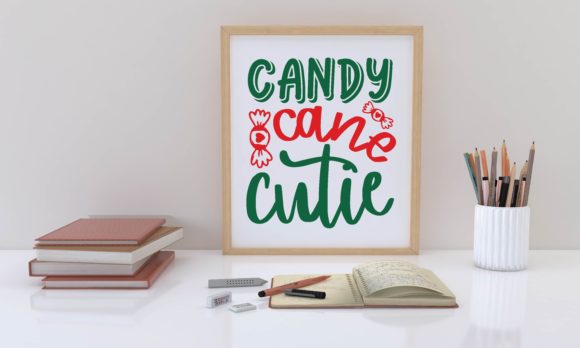
When I first opened the Candy Cane Cutie Svg file in my design software, the immediate impression was one of playful nostalgia. The aesthetic leans heavily into the classic red and white color blocking associated with the holidays, but the "cutie" aspect suggests softer curves and perhaps a character element rather than a rigid geometric pattern. In the realm of Crafts, visual personality dictates where a design belongs. This particular layout feels less suited for formal corporate branding and much more at home in the world of personalized gift creation and boutique merchandise.
The shape and theme suggest a design that relies on bold outlines. If we were to translate this SVG structure into an embroidery file, the success would hinge entirely on how those lines are rendered. Would they be executed as a crisp satin stitch border, or would the interior require a dense fill stitch? The visual weight of the candy cane motif implies that it needs to pop against the background fabric. If the lines are too thin in the original vector, they may disappear when stitched on textured materials, leading to a muddy appearance on the finished product.
A Real-Life Scenario: The Holiday Tote Bag Project
To truly test the viability of this design, let's imagine a specific project: creating a limited run of custom embroidered tote bags for a local craft fair. I envision a sturdy canvas bag, perhaps in a natural cream or deep forest green, serving as the canvas for the Candy Cane Cutie Svg. The goal is to create a handmade product that feels premium yet accessible.
In this scenario, the design would likely be placed centrally on the front panel. As I mentally map out the stitching sequence, I consider the flow. The curved nature of the candy cane requires careful attention to the stitch density. If the fill is too tight, the canvas might pucker, ruining the drape of the bag. If it is too loose, the threads will gap, especially if the bag is filled with heavy items later. The Candy Cane Cutie Svg offers a charming silhouette, but the challenge lies in maintaining that charm without over-stitching. Customers buying these bags want a design that looks professional and durable, not something that frays after a few uses. The reaction from buyers would depend heavily on the clarity of the edges; a clean, sharp outline makes the difference between a "cute DIY project" and a "professional boutique item."
Navigating Fabric Challenges and Hoop Constraints
While the design looks promising on a flat screen, real-world application introduces variables that can make or break a project. One of the most common pitfalls with holiday designs like this is the choice of fabric texture. If you attempt to embroider the Candy Cane Cutie Svg on a thick fleece sweatshirt or a napped fabric, the definition of the candy cane stripes could be lost. The pile of the fabric can swallow smaller details, making the design look fuzzy rather than crisp.
Furthermore, consider the hoop size. Many cutting files are designed to be scaled up or down easily for vinyl, but embroidery has limits. If you try to shrink this design to fit a 4x4 inch hoop for a baby onesie, the intricate details of the "cutie" elements might become indistinguishable blobs of thread. Conversely, scaling it up for a large pillow cover requires ensuring that the line weights remain proportional. On stretchy fabrics, such as those used for caps or fitted hats, the tension of the machine can distort the circular or curved elements of the candy cane. It is crucial to use the appropriate stabilizer to prevent distortion. Without proper backing, the custom apparel could warp, rendering the design unusable.
Dark Fabrics and Thread Contrast
Another critical consideration is the background color. The traditional red and white of the Candy Cane Cutie Svg works beautifully on light backgrounds. However, if you plan to use this on a black or navy embroidered patch, the contrast changes dramatically. You may need to add a layer of underlay or switch to lighter thread colors to ensure visibility. The design must be tested in black and white mockups first to see if the negative space holds up. If the white areas are too small, they will get lost on dark fabric, diminishing the visual appeal and the perceived value of the small shop product.
Practical Notes for the Professional Designer
Before you commit the Candy Cane Cutie Svg to your next commercial run, there are several practical steps to take. First, always test the design on scrap fabric that matches your final material. This allows you to check the thread colors for bleeding or fading and ensures the running stitch or satin stitch settings are optimized for your specific machine.
Secondly, review the licensing carefully. Since this is an instant download file often categorized under digital product sellers, confirm whether the license permits you to sell the physical goods you create. Some licenses restrict the number of items you can sell, while others offer unlimited commercial rights. As an Etsy seller or craft business owner, violating these terms can jeopardize your entire shop. Ensure you have the right to use the design assets for commercial embroidery projects.
Finally, think about the longevity of the product. Will this design withstand frequent washing? Areas with high stitch density can trap moisture, leading to mildew or thread rot over time. For items like kitchen towels or aprons, which are washed often, you might need to adjust the density to allow breathability. The Candy Cane Cutie Svg is a versatile starting point, but its success depends on your technical execution.
Final Verdict on Brand Consistency and Value
Ultimately, the Candy Cane Cutie Svg has the potential to be a standout addition to a holiday collection, provided it is adapted correctly for embroidery. It brings a sense of joy and seasonality that resonates with customers looking for holiday embroidery gifts. When executed well, it enhances brand consistency and buyer engagement by offering a recognizable, cheerful motif that stands out in a crowded marketplace.
However, do not underestimate the work required to translate a cutting file into a high-quality machine embroidery design. The transition from vector to thread involves technical decisions regarding stabilizers, thread types, and fabric compatibility. By taking the time to test, refine, and respect the limitations of the medium, you can turn this graphic into a profitable, high-quality finished product that your customers will cherish. Whether for a baby embroidery set or a festive tote bag design, the key lies in the details that only an experienced eye can spot.